
ARTICLE: André Maginot in the First World War

Maginot is a name that is synonymous with the Second World War, and with the line of forts that failed to save France when Hitler came a-knocking. But he was also a WW1 veteran. I was rummaging in a French militaria shop this week when I came across a little booklet published by a veterans association that comprised his First World War notebooks…
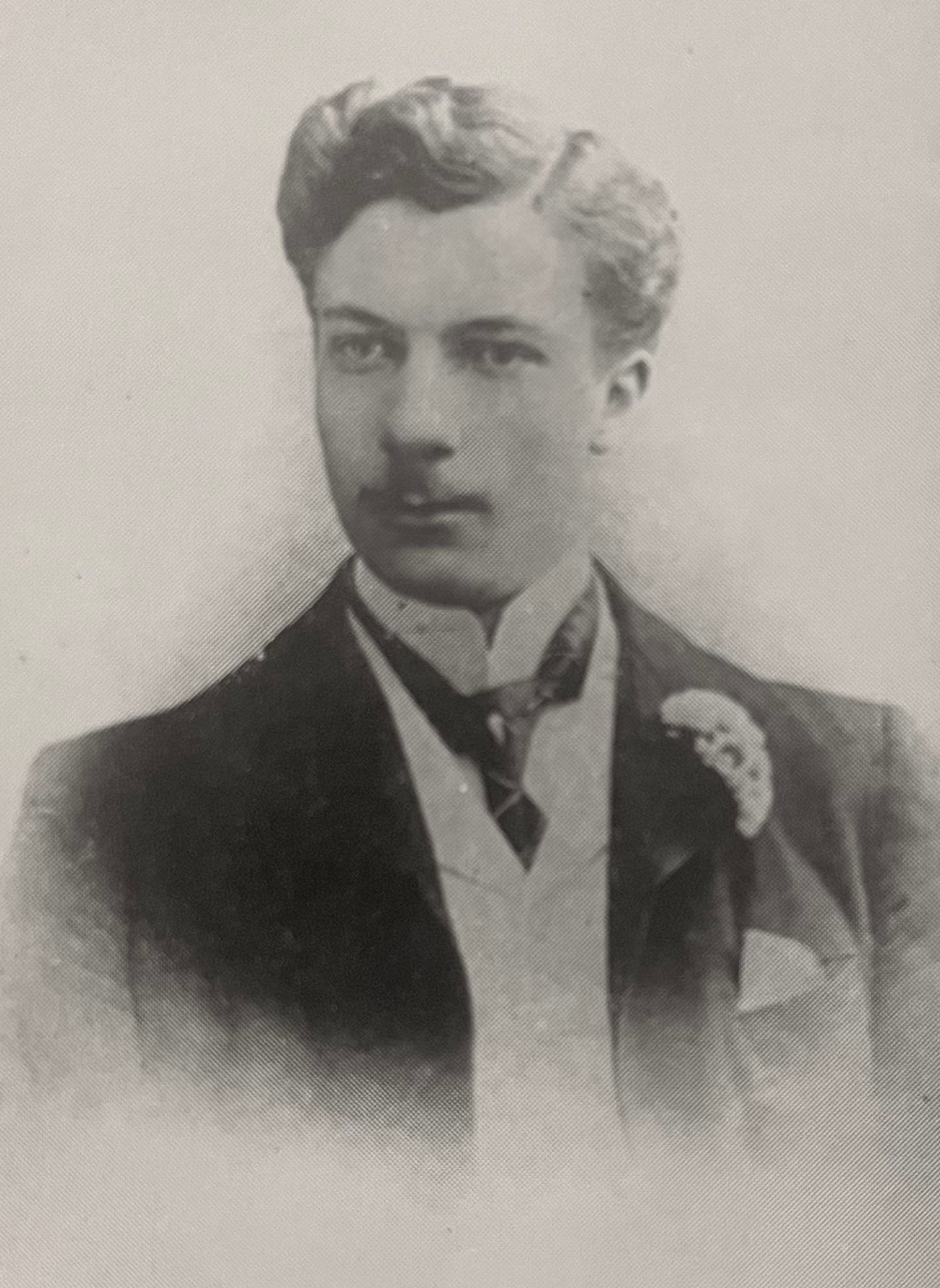
Maginot was born in Paris in 1877. He did his original, compulsory two years of service in 1897-99
37-years-old when the war broke out in 1914, Maginot had a steady career behind him. Passing the entrance exam for the Council of State, ‘he had held important administrative positions in Algeria, at the Ministry of the Interior, and at the Labor Inspectorate. A member of the General Council of the Meuse department, he had been elected to Parliament in 1910.’ Here, his interests skewed towards military matters. First he was a member of the Army Commission, then Under-Secretary of State for War. Here he oversaw the reorganisation of the Powder Service and was involved in the execution of the defence works at the Grand Couronné of Nancy, a crucial feature in French planning for the opening weeks of the war when faced with a German invasion.
Writing about him, General Weygand said:
When, at the beginning of 1930, he honoured me by appointing me Chief of the General Staff, I knew, as did the entire army, that his conduct on the battlefield had been heroic, that he had been forced to interrupt his service at the front following an exceptionally serious injury, which confined him to a hospital bed for a year. He still suffers from the aftereffects of this injury, which require him to use a cane… Reading his “Patrol Notebooks” has finally enlightened me. Therefore, since the Germans destroyed the old edition, this new one seems to me to fulfil a public interest.
When the French Army was mobilised in 1914, Maginot joined the 44th Territorial Infantry Regiment. His sister recalled his departure:
His mother accompanied him to the Gare de l’Est train station, like so many French mothers and wives, telling him how much she approved of his going to defend his country.
And there she was, on the platform, her eyes dry, a smile on her lips, proud of her son, trembling for him without admitting it, just as in 1870 she had trembled when accompanying her beloved brother. And in her memory, she saw again that brother, sent back to the rear sick, who, upon learning of the disaster at Sedan, had left once more…
Maginot’s regiment as posted in the Verdun Sector:
He took part in numerous reconnaissance missions tasked with gathering intelligence for the Command. He quickly realized that these indispensable patrols, ordered at the last minute and hastily formed, were not yielding the expected results. He was convinced that the creation of a permanent reconnaissance group, whose leader and soldiers would be very carefully chosen, and whose numbers would be sufficient to ensure that a patrol was available at all times, was a solution worth testing. General Montey took the initiative for this experiment; he asked the companies of the 44th RT to provide the names of the valiant men who aspired to the honor of being part of this group. In a few days, it was organized. The Maginot Patrol was born; it would soon make a name for itself.
Today, I’ll pick up with the days leading up to the Battle of the Frontiers, and the misery of a setback as the Germans invaded…
Keep reading with a 7-day free trial
Subscribe to Alex Churchill’s HistoryStack to keep reading this post and get 7 days of free access to the full post archives.