
ARTICLE: Philippines, 1945

Last weekend I gave a talk about the Philippines in 1945 at We Have Ways Fest 5. Below is a (very) truncated version of it for your reading pleasure…
In the spirit of talking about the Pacific to a majority British audience who are more or less a blank slate on the subject, I followed on from last year’s talk, which was about both Saipan and Peleliu. You can read that story here:


The important takeaway from those two scraps is that Japan were done. As the end of 1944 approached, there was no feasible way in which they could win the war. But Japan has no intention of surrendering. So what happens next?
To leap to the Philippines is significant because it means leaving behind the bunny-hopping progress across the middle of the Pacific that I’ve previously covered in favour of a different region in the southwest corner. The end game of either sub-front was the same: to get to the Japanese home islands. The southwest route, which put the Philippines in play, was less efficient. So why go there?
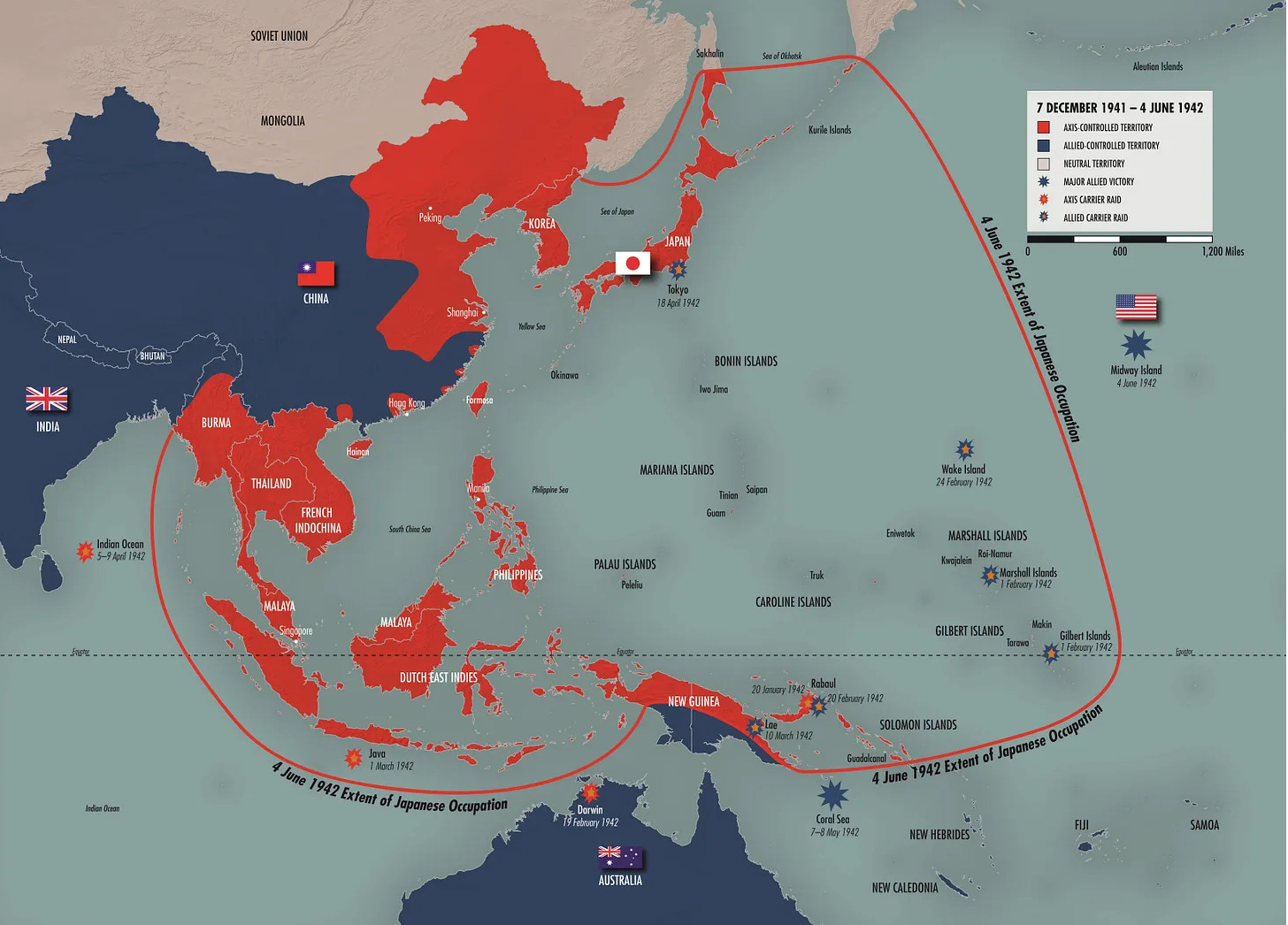
(National WWII Museum, New Orleans)
To find out how the Americans got punted out of the islands in 1942 as part of Japan’s Blitzkrieg attempt to conquer the Pacific and gain access to things like oil and rubber for their war effort, you can dodge back to an article I did earlier this year:

But suffice to say, the bitter humiliation suffered by Douglas MacArthur in 1942 that resulted in his running away to Australia, rankled him. It wasn’t just a military grudge, he and his family had strong ties to the Philippines, and on his departure he had declared in the style of Arnold Schwarzenegger that he would be back. He was prepared to go to great lengths to get his chance at redemption before the war was over.
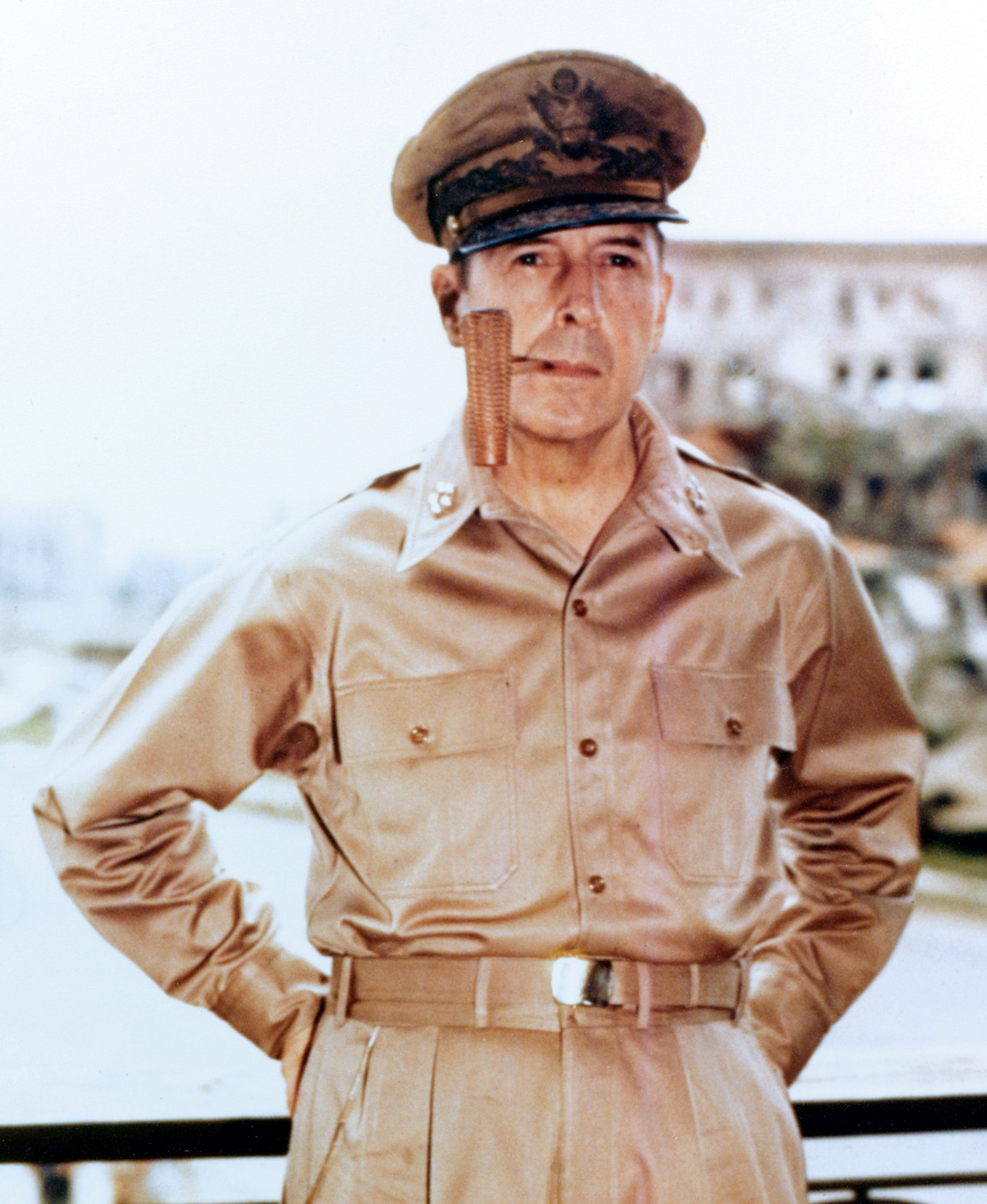
MacArthur pictured in summer, 1945. According to Wiki, this photo was possible taken in Manila. (Wikipedia)
Keep reading with a 7-day free trial
Subscribe to Alex Churchill’s HistoryStack to keep reading this post and get 7 days of free access to the full post archives.